
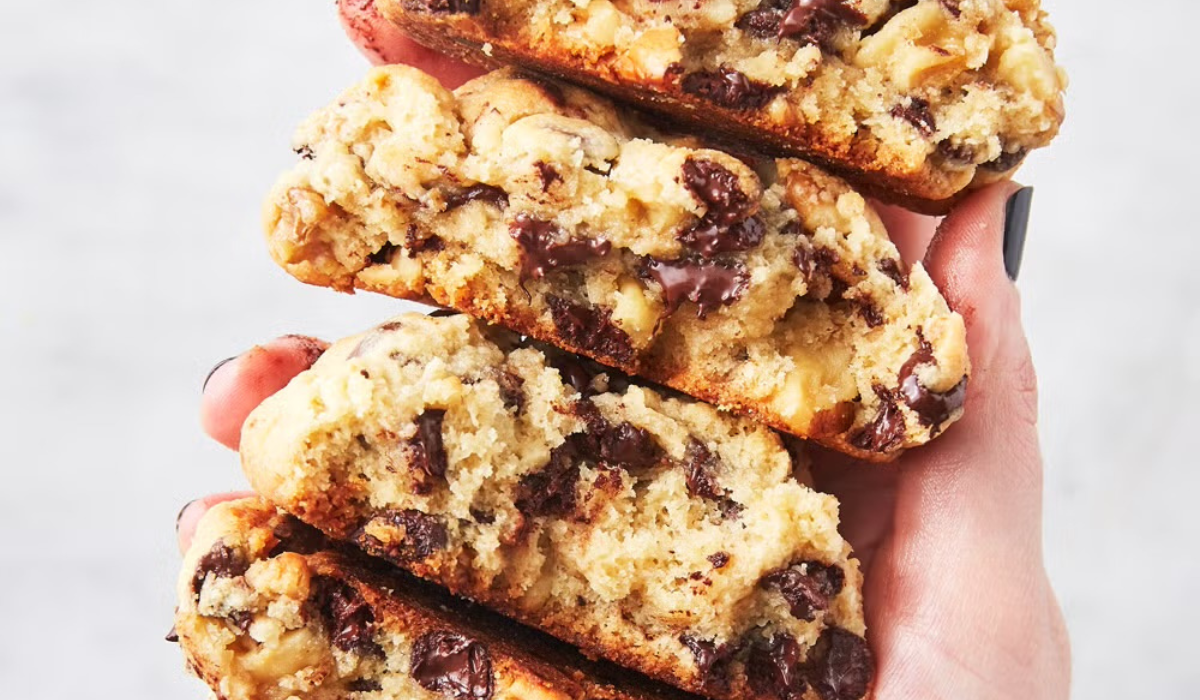
Cookies have a long and delicious history that dates back centuries, evolving from simple sweetened breads to the wide variety of treats we enjoy today. The concept of small, baked goods is believed to have originated in Persia around the 7th century, shortly after sugar became more widely available. These early treats were simple, often flavored with nuts and spices, and baked in ovens much like modern cookies. As trade routes expanded, cookie recipes spread across Europe, with each country adapting the basic concept to suit local tastes and ingredients. By the 14th century, cookies were a common feature in European kitchens, enjoyed by both nobility and commoners.
The popularity of cookies grew alongside the evolution of baking techniques and the availability of ingredients such as chocolate, butter, and refined sugar. During the 17th and 18th centuries, Dutch bakers introduced the concept of the “koekje,” or little cake, which became the foundation for many modern cookie recipes. The industrial revolution further propelled cookie production, allowing these sweet treats to reach a wider audience, eventually making their way to the Americas. Over time, iconic cookie varieties such as chocolate chip, oatmeal, and sugar cookies emerged, each with its own unique charm and dedicated following.
What makes cookies universally beloved is their versatility and comforting nature. A cookie can be soft, chewy, or crisp; rich in chocolate or delicate with spices; simple or elaborately decorated. They evoke nostalgia and warmth, often associated with home, family, and celebrations. Cookies are more than just a snack—they are a symbol of sharing, joy, and creativity in baking. This timeless appeal ensures that cookies remain a favorite treat across generations, cultures, and occasions, continuing to delight people all around the world.